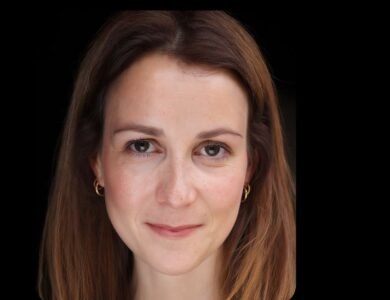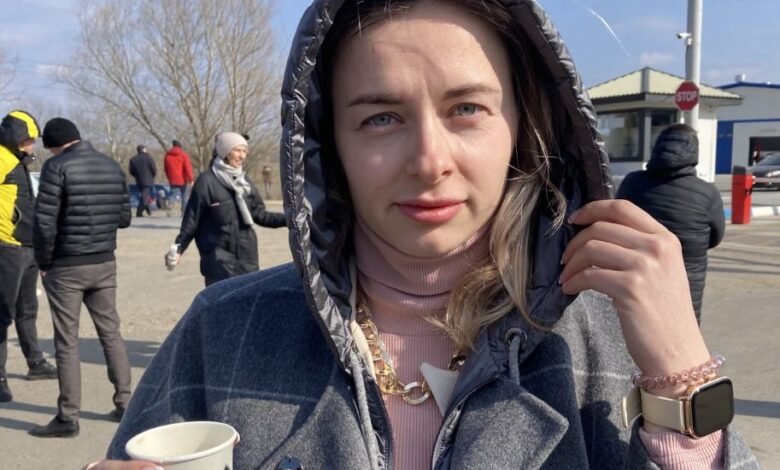
Lucy Williamson is one of the BBC’s most respected international correspondents, known for her in-depth and human-centered storytelling. Over the course of her distinguished career, Williamson has reported from some of the most dynamic and challenging regions in the world — including Asia, the Middle East, and Europe. Her work with the BBC has taken her across continents, from Seoul to Jakarta, from Paris to conflict zones in the Middle East, always bringing audiences compelling insights and authentic human stories.
A seasoned Journalist with a reputation for professionalism and empathy, Lucy Williamson’s name has become synonymous with reliable, on-the-ground reporting. Her ability to capture complex political and social realities and translate them into stories that resonate globally has made her one of the BBC’s most trusted voices.
Early Life and Education
Although Lucy Williamson keeps much of her personal life private, a few details about her background are publicly known. She reportedly studied at the University of Manchester, where she graduated with a Bachelor of Arts in English and Persian in 1997. Her language and cultural studies likely shaped her ability to communicate effectively across regions and cultures — an essential skill for any foreign correspondent.
Growing up in the UK, Williamson developed a passion for international affairs and storytelling early on. Her curiosity about world cultures and global issues led her to pursue journalism, a career that would allow her to explore and interpret international events for a worldwide audience.
Lucy Williamson’s Career at the BBC
The Early Years
Lucy Williamson joined the BBC more than two decades ago and quickly built a reputation for her insightful coverage and balanced reporting. She began her career covering stories in Asia, before later moving to postings in the Middle East and Europe.
In her early assignments, Williamson reported from Indonesia, where she covered the nation’s recovery following the devastating 2004 tsunami and other major political developments in the region. Her in-depth storytelling combined field reporting with a keen understanding of the human impact of global events.
BBC Seoul Correspondent
One of her most notable roles was as the BBC’s Seoul Correspondent, based in South Korea. From this vantage point, Williamson provided extensive coverage of the Korean Peninsula’s complex geopolitical tensions, including developments related to North Korea, U.S. relations, and the regional balance of power in East Asia.
Her reporting from Seoul not only focused on politics and diplomacy but also delved into cultural and social issues, giving viewers a fuller picture of life in one of Asia’s most advanced and yet divided nations.
Paris and European Coverage
Following her time in Asia, Lucy Williamson was appointed as the BBC’s Paris Correspondent, where she covered a range of topics — from French politics to social movements, terrorism, and European Union affairs. Her time in Paris saw her report on events such as the Charlie Hebdo attacks, the Paris climate conference, and the gilets jaunes (yellow vest) protests.
Her nuanced coverage often blended historical context, political insight, and human emotion, illustrating the hallmark of BBC journalism — accuracy, fairness, and depth.
Lucy Williamson and BBC Health Reports
While Lucy Williamson is primarily known for her international and political reporting, she has also contributed to stories with BBC Health dimensions, particularly when covering humanitarian crises and public health issues affecting conflict or disaster zones. Her reporting often intersects with health-related topics such as refugee wellbeing, post-war trauma, and access to healthcare in marginalized communities.
Williamson’s journalism emphasizes not only the political but also the human aspect of crises — the way individuals and families are affected by war, displacement, and public health emergencies.
Lucy Williamson’s Style of Journalism
Lucy Williamson’s approach to journalism is both analytical and empathetic. She is known for maintaining journalistic objectivity while still allowing space for humanity in her storytelling. Whether reporting from Seoul, Paris, or Gaza, her work demonstrates a clear commitment to accuracy, ethics, and depth.
Her stories often reveal the personal experiences behind political headlines — connecting audiences emotionally to global issues without sensationalism. This makes her one of the BBC’s standout correspondents in an era where balanced, verified journalism is more vital than ever.
Lucy Williamson’s Major Reporting Highlights
Over her career, Lucy Williamson has covered numerous landmark events, including:
- The Korean Peninsula tensions involving North Korea’s missile tests and diplomatic summits.
- The Paris terrorist attacks and their aftermath, documenting how France responded and rebuilt.
- The European refugee crisis, providing human-centered stories from affected communities.
- Indonesian political transitions, exploring the country’s evolution after decades of change.
- Middle Eastern conflicts, offering nuanced coverage of complex situations that shape global politics.
Her work has appeared across BBC television, radio, and online platforms, reaching millions of viewers and readers worldwide.
Lucy Williamson on Wikipedia and Public Profiles
Interestingly, Lucy Williamson does not yet have a dedicated Wikipedia page, though she appears on the official Wikipedia list of current BBC News correspondents and reporters, listed under her Paris assignment. This underscores both her prominence within the BBC and her preference for maintaining a private personal life outside the spotlight.
Other professional listings, including LinkedIn and Muck Rack, confirm her association with the BBC and showcase her journalism portfolio, featuring hundreds of published articles and broadcast reports.
Despite her visibility as a BBC journalist, Williamson’s online presence remains minimal — reflecting her focus on professional credibility rather than personal branding.
Lucy Williamson’s Age
As of 2025, Lucy Williamson’s exact age has not been publicly confirmed by any official source. However, some online biographical databases such as WikiCelebs and TVMaze suggest she was born in the late 1970s, placing her in her mid to late 40s.
It’s worth noting that such estimates are based on secondary sources and not verified by the BBC or Williamson herself. Like many seasoned journalists, she has chosen to keep personal details — including age, birthdate, and family — private.
Lucy Williamson’s Husband and Personal Life
A recurring question from readers is: “Is Lucy Williamson married?”
Some online reports suggest that Lucy Williamson is married to John Nilsson-Wright, a prominent academic specializing in East Asian international relations and a Senior Lecturer at the University of Cambridge. However, it’s important to emphasize that this information has not been verified by BBC News or through Lucy Williamson’s official channels.
Publicly available information about Williamson’s personal life remains very limited. There are no official records or BBC profiles confirming her marital status, children, or family life — suggesting that she intentionally separates her professional identity from her private one.
In an age of social media visibility, Lucy Williamson’s discretion is a reflection of her commitment to professionalism. She allows her journalism to speak for itself rather than relying on personal exposure.
What Happened to Lucy Williamson?
Many online searches ask: “What happened to Lucy Williamson?” — often reflecting curiosity about her current whereabouts or professional focus.
To clarify: nothing negative has happened to Lucy Williamson. She continues to work actively with the BBC, appearing in reports, interviews, and international coverage. Her recent assignments have included features from Europe and the Middle East, focusing on pressing global issues such as migration, conflict, and political transformation.
There are no reports of her leaving the BBC, facing controversies, or retiring. On the contrary, she remains one of the BBC’s key correspondents in its global news division.
Occasionally, her work has drawn criticism from media-monitoring groups for perceived bias in BBC coverage — a common occurrence for journalists covering complex international issues. However, these critiques are professional in nature and not personal scandals.
In short, Lucy Williamson remains a respected and active figure in journalism.
Lucy Williamson’s Impact on Global Journalism
Lucy Williamson exemplifies the best of public service journalism. Through her work, she has helped audiences understand global events beyond the headlines, offering depth, compassion, and clarity. Her long career demonstrates a dedication to truthful reporting, often from places of uncertainty and danger.
In a media environment increasingly dominated by opinion and sensationalism, Williamson’s factual, balanced style stands out. Her ability to humanize news — to make people care about distant events — is a testament to her skill and integrity as a reporter.
Her stories from conflict zones, refugee camps, and political centers reflect not just the events themselves but the lived experiences of those affected. This empathy-driven approach has earned her respect among both colleagues and viewers worldwide.
Lucy Williamson Today
As of 2025, Lucy Williamson continues to work as a BBC correspondent, contributing reports across television, radio, and online platforms. Whether analyzing European politics from Paris or covering international crises, her voice remains one of clarity and insight.
Despite not seeking the limelight, her work continues to influence how global audiences perceive the world — a testament to the enduring value of quality journalism.
Conclusion
Lucy Williamson’s career is a model of professionalism, resilience, and integrity in global reporting. From covering political unrest to human-interest stories, she embodies the BBC’s mission to inform, educate, and engage.
Her journey from a student of English and Persian to one of the BBC’s leading foreign correspondents illustrates what passion, intellect, and empathy can achieve in journalism.
While details about her personal life — including age, husband, and family — remain private, her public work speaks volumes. She continues to inspire young journalists and stands as a reminder of the importance of honest storytelling in a complex world.
For more articles about journalists, celebrities, and media personalities, visit Empire Blog Celebrities, where we bring detailed insights into the lives behind the headlines.
You May Also Read: Fiona Bruce Net Worth 2025: Inside the Life of BBC’s Leading Journalist